The information on this website is general in nature and does not take into account your objectives, financial situation, or needs. Consider seeking personal advice from a licensed adviser before acting on any information.
Secured and unsecured business loans differ mainly in whether the borrower offers assets as security. This guide explains collateral, personal guarantees, lender risk assessment and key questions Australian business owners should consider before applying.
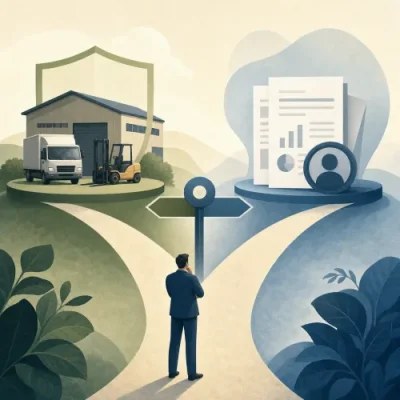
Secured and unsecured business loans are two common ways Australian businesses seek funding, but the difference is more than whether a loan has "security" attached. The structure can affect how a lender assesses risk, what documents you may need, what happens if repayments are missed, and which loan options may be available to your business.
This article provides general information for Australian small business owners comparing loan structures. It does not consider your business's specific objectives, financial position or needs. Before applying, consider whether the finance type, repayment commitment and security requirements are appropriate for your circumstances.
What is a secured business loan?
A secured business loan is a loan supported by an asset or other form of security. If the borrower defaults and the issue cannot be resolved, the lender may have rights to recover the outstanding debt by enforcing its security, subject to the loan documents and applicable law.
Security may include business or personal assets, depending on the lender, borrower structure and loan purpose. Common examples can include:
- commercial or residential property;
- business vehicles, trucks or trailers;
- plant, machinery or equipment;
- inventory, receivables or other business assets;
- cash deposits or term deposits; and
- security interests registered over company assets.
In Australia, some lenders may register a security interest on the Personal Property Securities Register, often known as the PPSR, where the security relates to personal property rather than land. Property-backed lending may involve a mortgage or other property security arrangement.
What is an unsecured business loan?
An unsecured business loan does not require a specific asset to be pledged as loan security in the same way as a secured loan. However, "unsecured" does not always mean the borrower has no obligations beyond repayments.
Many unsecured business loans still involve lender protections, such as:
- a personal guarantee from one or more directors or business owners;
- company guarantees from related entities;
- direct debit repayment arrangements;
- financial covenants or reporting requirements; and
- rights under the loan contract if repayments are missed.
Because the lender may have less direct asset security, unsecured business loans are often assessed heavily on cash flow, trading history, revenue consistency, credit history, industry risk and the overall strength of the business. Availability, pricing, loan amounts and terms depend on the lender's criteria and the applicant's circumstances.
Secured vs unsecured business loans: the key differences
The main distinction is collateral, but the practical differences can extend to assessment, documentation, repayment flexibility and risk allocation.
| Feature | Secured business loan | Unsecured business loan |
|---|
| Security | Usually supported by an asset such as property, vehicles, equipment or other business assets. | No specific asset is pledged as security, although guarantees may still apply. |
| Lender risk | The lender may have more recovery options if the borrower defaults. | The lender may rely more heavily on cash flow, creditworthiness and guarantees. |
| Assessment focus | Asset value, ownership, business financials, cash flow and credit profile. | Revenue, cash flow, trading history, credit profile and business stability. |
| Documentation | May require asset details, valuations, proof of ownership, insurance information or security documents. | May require bank statements, financial records, tax information and director details. |
| Potential suitability | May suit businesses with suitable assets and a willingness to offer security. | May suit businesses that need funding without pledging a specific asset, subject to lender criteria. |
| Borrower risk | The secured asset may be at risk if the loan is not repaid. | Personal guarantees, credit impacts and legal recovery action may still be possible if the loan is not repaid. |
How collateral can affect a business loan application
Collateral can change how a lender views an application because it may reduce the lender's loss if the borrower defaults. That does not mean approval is automatic. Lenders generally still want to understand whether the business can afford repayments from normal trading activity.
When assessing collateral, a lender may consider:
- asset type: property, equipment, vehicles and receivables may be treated differently;
- asset value: lenders may use their own valuation or discount the asset value for risk purposes;
- ownership: the lender may need evidence that the borrower or guarantor legally owns the asset;
- existing debts: assets already used as security may have limited available equity;
- asset condition and marketability: specialised assets may be harder to value or sell; and
- insurance and maintenance: some lenders may require assets to be insured and kept in suitable condition.
Offering business loan security may support an application, but it also creates consequences if the business cannot meet its repayment obligations. Business owners should understand what asset is being offered, what debt it secures and what rights the lender has under the agreement.
Personal guarantees: why they matter
A personal guarantee is a promise by an individual, often a director or business owner, to be responsible for the debt if the business does not repay it. Personal guarantees are common in Australian business lending, including some unsecured business loans.
This is important because a loan described as unsecured may still expose a guarantor to personal financial risk. If the business defaults, the lender may seek repayment from the guarantor according to the guarantee terms.
Before signing a personal guarantee, consider asking:
- Is the guarantee limited to a specific amount or unlimited?
- Does it cover only this loan or other current and future obligations?
- When can the lender call on the guarantee?
- How can the guarantee be released or discharged?
- Are other directors, partners or related entities also providing guarantees?
- Have you received independent legal or financial advice where appropriate?
Guarantee terms can be significant, so it is worth reading the documents carefully and seeking professional advice if you are unsure.
When might a secured business loan be considered?
A secured business loan may be considered where the business or its owners have suitable assets and are comfortable offering them as security. It may be relevant for funding needs such as equipment purchases, commercial vehicles, property-related borrowing, expansion projects or larger working capital requirements.
Potential advantages may include access to loan structures that rely partly on asset backing. However, outcomes vary by lender and borrower profile. A secured loan is not automatically cheaper, larger or easier to obtain, and the secured asset may be at risk if repayments are not maintained.
When might an unsecured business loan be considered?
An unsecured business loan may be considered where a business wants funding without pledging a specific asset. It may be relevant for short-term cash flow needs, inventory purchases, marketing campaigns, seasonal expenses or smaller growth projects.
Potential advantages may include a simpler security structure and no specific asset valuation process. However, unsecured business loans can still involve detailed assessment, personal guarantees, shorter terms or other conditions. The lender may place more weight on trading history, bank statements, cash flow and credit behaviour.
What lenders may assess before approving either loan type
Whether a loan is secured or unsecured, lenders usually want to understand the business's ability and willingness to repay. Their assessment may include:
- business trading history and Australian Business Number or company details;
- bank statements and cash flow patterns;
- profit and loss information, balance sheets or tax records;
- existing debts, repayments and credit facilities;
- director or owner credit history;
- industry, customer concentration and revenue volatility;
- the purpose of the loan and how funds will be used;
- loan amount, term and repayment frequency; and
- available security or guarantees, if required.
If you want to understand how lenders generally review applications, the guide to what lenders look for in a loan application may be a useful next step.
Repayment planning before you apply
The security structure is only one part of the decision. A business loan also needs to fit the business's cash flow. Repayments may be weekly, fortnightly or monthly, depending on the lender and product. Some facilities may have variable utilisation, while others have set principal and interest repayments.
Before applying, consider:
- how much funding the business genuinely needs;
- whether the loan purpose is short-term, seasonal or long-term;
- how repayments will align with cash inflows;
- whether the business has a buffer for slower trading periods;
- fees, charges and early repayment conditions;
- whether interest is fixed, variable or otherwise structured; and
- what happens if the business needs to refinance, repay early or extend the facility.
You can use the site's business loan calculators to model repayment scenarios, but calculations are only estimates. Actual repayments, fees, rates and terms depend on the lender, loan structure and your circumstances.
Questions to ask before choosing secured or unsecured finance
There is no single loan structure that suits every Australian business. The right questions can help you compare options more clearly.
- What is the loan for, and how will it generate or support cash flow?
- Does the business have suitable assets to offer as security?
- Are the owners comfortable with the asset risk involved in secured finance?
- If the loan is unsecured, does it still require a personal guarantee?
- What documents will the lender need before making a decision?
- How will repayments affect working capital and tax obligations?
- Are there fees for establishment, ongoing account keeping, early repayment or default?
- Can the loan be repaid early, redrawn or varied if business conditions change?
- What events would place the loan in default?
- Have the directors or guarantors understood the contract before signing?
How brokers can help compare security requirements
Security requirements can vary significantly between lenders. One lender may require property security for a particular application, while another may consider equipment, receivables, a guarantee or an unsecured structure, depending on the business profile and loan purpose.
A broker may help you understand which lenders or loan types may be available for your circumstances, what documentation is commonly required and how different structures compare. Broker recommendations and loan outcomes still depend on lender criteria, product availability and your business's financial position. You can learn more about available support through the site's broker referral partners.
Key takeaways for Australian business owners
Secured business loans are backed by assets or other security, while unsecured business loans do not require a specific asset to be pledged in the same way. However, unsecured finance may still include personal guarantees or other borrower obligations.
Before applying, focus on the whole structure: loan purpose, repayment capacity, collateral, guarantees, fees, term, flexibility and the consequences of default. A loan that appears convenient at application time may create pressure later if repayments do not match cash flow or if the security risk is not fully understood.
If you are comparing Australian business loans, start by clarifying how much funding you need, what security you are willing to offer and how the repayments will be managed through normal trading cycles. From there, you can explore business loan options and seek professional guidance where needed.
Published: Wednesday, 26th Aug 2026
Author: Paige Estritori




No comments yet. Be the first to share your thoughts.