

Business Loan Finance Online :: News
SHARE

Share this news item!

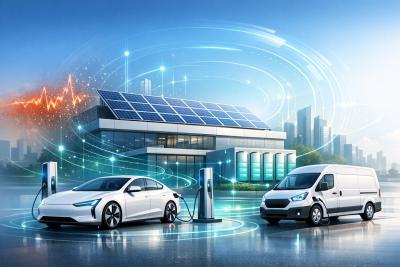
Businesses Accelerate EV and Battery Finance Amid Fuel Volatility

Why rising diesel costs are changing the maths for Australian fleets

Businesses Accelerate EV and Battery Finance Amid Fuel Volatility?w=400

The information on this website is general in nature and does not take into account your objectives, financial situation, or needs. Consider seeking personal advice from a licensed adviser before acting on any information.

Australian businesses are increasingly treating electrification as a cost-control strategy, not just an environmental decision.
Recent reporting on bank lending data shows a sharp rise in finance for green equipment, with NAB saying its green equipment loan uptake between March and May 2026 was almost double the level recorded over the same period last year.

The key driver is fuel volatility. As diesel and petrol prices remain exposed to global supply shocks, many operators are looking for ways to reduce their reliance on imported fuels. For some businesses, that means financing electric vehicles for staff or delivery fleets. For others, it means pairing EVs with solar, batteries or electric machinery to reduce ongoing operating costs.

Importantly for EV Loan Hub readers, the story highlights a shift in how borrowers may assess an EV finance options. The cheapest vehicle on the day is not always the lowest-cost option over the life of ownership. A business weighing up a diesel van against an electric alternative may need to compare fuel savings, servicing costs, charging setup, depreciation, tax treatment and interest costs before deciding what is genuinely affordable.

The construction and manufacturing examples are especially relevant for small and medium businesses. Battery-powered cranes, rooftop solar and EV fleets are no longer fringe ideas for large corporates only. They are becoming practical tools for reducing exposure to fuel bills, particularly where vehicles return to a depot and can be charged on-site. That can make repayment planning more predictable, although the upfront purchase price and infrastructure costs still need careful attention.

For households and sole traders, the lesson is similar: do not assess an EV loan in isolation from running costs. A lower interest rate is valuable, but so is a realistic view of charging access, weekly kilometres, insurance, servicing and resale value. Before committing, buyers should model repayments across several loan terms and stress-test the result against their monthly budget.

This development also extends the recent trend of fuel price pressure pushing more Australians towards EVs. The fresh angle is that business borrowers are now acting at scale, and lenders are responding with products designed for cleaner vehicles and equipment. That could increase competition in green lending over time, but borrowers should still check fees, eligibility rules, balloon payments and early payout conditions.

For anyone considering a new or used EV, the takeaway is clear: compare the total cost, not just the sticker price. Finance can help bring forward the switch, but the best outcome comes from matching the loan, vehicle and charging setup to real-world usage.

Published:Sunday, 21st Jun 2026
Author: Paige Estritori

Please Note: We do not endorse any specific products or companies. Some content is sourced from third parties, including press releases, and may not be independently verified for accuracy or completeness.

Share this news item:

Rate this article

0 Comments

No comments yet. Be the first to share your thoughts.

Finance News

New 2026 Light Truck Line-Up Gives Australian Buyers More to Weigh Up
22 Jun 2026: Paige Estritori
Australia’s light-duty truck market has entered a new buying cycle, with major brands refreshing their ranges for 2026 and giving operators more choice across diesel, hybrid and electric platforms. For sole traders, delivery businesses, tradies and fleet managers, the timing matters: new emissions rules, softer broader truck sales and rising operating costs are all reshaping how businesses think about their next vehicle purchase. - read more
Xpeng X9 Signals a New Electric Family Mover for Australia
21 Jun 2026: Paige Estritori
Australia’s electric vehicle market is broadening beyond compact SUVs and sedans, with Xpeng preparing to bring its X9 electric people mover closer to local showrooms. The brand, which entered Australia with the G6 electric SUV in 2024, now has a local web presence for the X9 and the model has already appeared in Australian approval records, suggesting a launch is moving from speculation to serious preparation. - read more
Leapmotor C10 Long Range Sharpens Australia’s EV Value Equation
21 Jun 2026: Paige Estritori
Leapmotor has given Australian electric SUV shoppers a timely value update, confirming a revised MY26 C10 battery-electric range that focuses on longer range, quicker charging and a simpler line-up. For buyers weighing up an electric car loan, the headline is straightforward: the updated C10 Design Long Range keeps its $49,888 price before on-road costs while adding meaningful hardware improvements. - read more
Businesses Accelerate EV and Battery Finance Amid Fuel Volatility
21 Jun 2026: Paige Estritori
Australian businesses are increasingly treating electrification as a cost-control strategy, not just an environmental decision. Recent reporting on bank lending data shows a sharp rise in finance for green equipment, with NAB saying its green equipment loan uptake between March and May 2026 was almost double the level recorded over the same period last year. - read more


Business Loans Articles

Common Pitfalls in Loan Applications and How to Avoid Them
Applying for a loan can be a crucial step in achieving your financial goals, whether you are buying a home, starting a business, or managing personal finance. However, navigating the loan application process can be tricky, with several potential pitfalls that can lead to frustration or application denial. - read more
Your Guide to Understanding Fixed vs Variable Interest Rates in Australia
Welcome to the world of loan interest rates, where understanding the nuances can have a significant impact on your financial journey. As a business owner, navigating through fixed and variable interest rates requires a solid grasp of their differences and how they affect your loans. - read more
Understanding Lenders: What They Look for in Your Loan Application
Applying for a small business loan can feel overwhelming, but with the right preparation, you can improve your chances of success significantly. Understanding what lenders look for in a loan application is crucial to making your business stand out. - read more
Building a Strong Business Plan: The Key to Securing Financing
In the vibrant world of startups, securing funding is often the key to turning a business idea into a reality. For Australian entrepreneurs, understanding the landscape of available financial resources is crucial. Whether you're launching a tech startup in Sydney or opening a new café in Melbourne, accessing capital can be a deciding factor in your venture's success. - read more


Free Assessment

Loan Amount:
Postcode:

All quotes are provided obligation-free by a participating broker from our national referral partner network. We respect your Privacy.


Knowledgebase
Loan Amortisation Schedule:
This is the formal name for the repayment schedule that shows each of your mortgage payments with a breakdown of how much is applied to principal and how much is applied to interest.