The information on this website is general in nature and does not take into account your objectives, financial situation, or needs. Consider seeking personal advice from a licensed adviser before acting on any information.
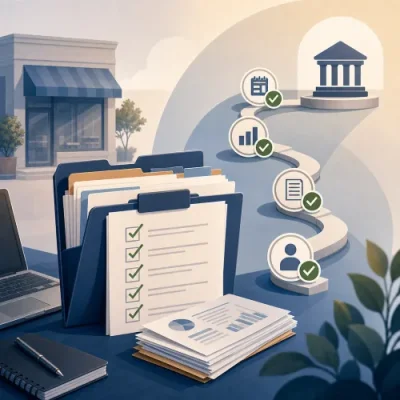
Before applying for business finance, Australian businesses can save time by checking common eligibility factors and preparing the documents lenders usually request. This checklist explains what lenders may review, what paperwork to gather and how to present your application clearly.
Applying for a business loan is easier when you know what lenders are likely to assess before you submit an application. While every lender, broker and finance product has its own criteria, most Australian business loan applications are reviewed against similar themes: trading history, revenue, cash flow, credit conduct, business purpose and supporting documents.
This business loan eligibility and documents checklist is general information for Australian small business owners preparing to apply for finance. It does not guarantee approval or suitability. The outcome of any application depends on your business circumstances, the loan type, the lender's credit policy and the information you provide.
Business loan eligibility: what lenders usually assess
Eligibility is not just a single test. Lenders generally build a picture of how your business operates, how reliable its cash flow is and whether the requested loan amount appears manageable. Some lenders may focus heavily on financial statements and security, while others may place more emphasis on recent bank account activity or trading turnover.
Business registration and structure
Lenders usually need to confirm that the business is legitimate and that the person applying has authority to borrow on its behalf. Depending on your structure, this may include checking an ABN, ACN, trust structure, partnership details or sole trader registration.
If your business operates through a company or trust, lenders may ask for company extracts, trust deeds or details of directors, shareholders, trustees and beneficiaries. They may also request identification for directors or owners who will provide a personal guarantee.
Trading history
Many business finance providers consider how long the business has been operating. A longer trading history can help demonstrate stability, but newer businesses may still have options depending on the loan type, available security, cash flow, industry and the strength of the application.
Startups or recently established businesses may need to provide extra context, such as a business plan, contracts, evidence of early revenue, owner experience or information about available equity. If you are still comparing funding paths, the guide to funding for Australian startups may help you understand how business loans sit alongside other options.
Revenue and cash flow
Revenue shows the scale of your business activity, but cash flow often matters more for serviceability. Lenders may review bank statements, merchant receipts, accounts receivable, seasonal trends and recurring expenses to understand whether repayments could be met from ordinary business operations.
It is important not to rely on optimistic sales forecasts alone. If your business has seasonal peaks, irregular invoice payments or large supplier costs, explain how these affect cash flow and how you manage them. You can also use the site's business loan calculators to estimate possible repayments before deciding how much to apply for.
Credit history and repayment conduct
Lenders may review both business and personal credit information, particularly for small business loans where directors or owners are closely connected to the business. They may consider defaults, court actions, missed repayments, credit enquiries, existing debts and how current facilities have been managed.
A past issue does not automatically mean an application cannot proceed, but it should be addressed honestly. If there were temporary problems, be ready to explain what happened, whether the issue has been resolved and what has changed since.
Existing debts and commitments
Existing loans, credit cards, overdrafts, equipment finance, tax payment plans, leases and other commitments can affect borrowing capacity. Lenders may assess whether the business has enough surplus cash flow after existing obligations to manage the proposed loan.
If you are refinancing or consolidating business debt, make the purpose clear and provide details of the facilities being repaid. Lenders may want to see whether the new loan improves cash flow, reduces complexity or supports a practical business objective.
Loan purpose and amount requested
A well-prepared small business loan application explains why the funds are needed and how the loan amount was calculated. Common purposes include working capital, stock purchases, equipment, vehicles, fit-outs, expansion, invoice timing gaps or refinancing existing business debt.
Vague requests can weaken an application. Instead of simply asking for a round figure, break the amount down into categories where possible. For example, you might separate funds for inventory, marketing, wages during a growth phase or equipment deposits. The more clearly the loan purpose connects to business activity, the easier it is for a lender to assess the request.
Security and guarantees
Some business loans are unsecured, while others may be secured against property, vehicles, equipment or other assets. Even where a loan is described as unsecured, directors or business owners may still be asked to provide personal guarantees.
Before applying, understand what security or guarantees may be involved and what risks they create. A personal guarantee can expose personal assets if the business cannot meet its obligations. If you are unsure, consider seeking independent legal or financial advice before signing loan documents.
Business loan documents checklist
Document requirements vary by lender and loan type, but preparing key information early can reduce delays. The following checklist covers documents Australian businesses are commonly asked to provide.
| Document category | Examples lenders may request | Why it matters |
|---|
| Identity and authority | Driver licence or passport, director details, owner information, signed consent forms | Confirms who is applying and who can commit the business to finance |
| Business registration | ABN, ACN, business name registration, company extract, trust deed or partnership details | Verifies the business structure and legal parties involved |
| Financial statements | Profit and loss statements, balance sheets, management accounts, accountant-prepared reports | Shows profitability, assets, liabilities and financial position |
| Tax and ATO information | Business tax returns, BAS, ATO statements or payment plan details | Helps confirm declared income and tax obligations |
| Banking records | Business bank statements, merchant statements, overdraft statements | Shows trading activity, cash flow and account conduct |
| Debt and lease details | Loan statements, credit card limits, equipment finance contracts, rental or lease agreements | Helps assess existing commitments and serviceability |
| Loan purpose evidence | Quotes, invoices, supplier agreements, purchase contracts, fit-out estimates, asset details | Supports the requested loan amount and intended use of funds |
| Forecasts and planning | Cash flow forecasts, budgets, business plan, sales pipeline, contracts or purchase orders | Provides context for future income and repayment capacity |
Documents for different loan types
Not every application requires the same level of paperwork. A secured commercial loan, an unsecured business loan and a short-term working capital facility can involve different checks. However, being organised helps regardless of the product.
- Unsecured business loans: lenders may place more weight on recent bank statements, turnover, credit history and cash flow because there may be no specific asset security.
- Secured business loans: lenders may request valuation details, asset information, property documents or equipment details in addition to financial records.
- Business lines of credit: lenders may focus on working capital needs, cash flow cycles, receivables and how the facility will be used and repaid.
- Equipment or vehicle finance: quotes, tax invoices, asset details, supplier information and insurance requirements may be relevant.
- Startup or early-stage finance: a business plan, owner experience, contracts, forecasts and evidence of initial traction may carry more weight.
How to strengthen your application before submitting
Preparation does not guarantee approval, but it can make your application clearer and easier to assess. Before you apply, review the following steps.
Check your figures are consistent
Inconsistencies between tax returns, bank statements, management accounts and application forms can trigger questions. Make sure revenue, expenses, debts and ownership details are consistent across your documents, or be ready to explain any differences.
Prepare a realistic repayment view
Borrowing capacity is not only about whether the business has revenue. Consider whether repayments would still be manageable during quieter months, delayed customer payments or cost increases. Avoid applying for more than the business can reasonably support.
Explain any unusual activity
If your bank statements show large one-off expenses, temporary revenue drops, tax arrears, returned payments or unusual transfers, provide context. A short explanation can help a lender understand whether the issue is temporary, recurring or already resolved.
Update your business plan where needed
Not every lender will require a full business plan, but it can be useful when the loan is for growth, expansion, startup funding or a major change in operations. A clear plan should explain the business model, target market, revenue assumptions, expenses, risks and how the finance will be used. For more detail, see the guide to building a strong business plan for financing.
Compare the loan structure, not just the rate
Interest rates matter, but they are not the only factor. Consider fees, repayment frequency, loan term, early repayment conditions, redraw or line of credit access, security requirements and whether the loan purpose fits the product. A lower headline rate may not suit every business if the structure is too restrictive or the total cost is unclear.
Questions to ask before applying
Before submitting a business finance application, it can help to ask:
- What is the exact purpose of the loan?
- How much funding is required, and how was that amount calculated?
- Can the business manage repayments under realistic cash flow assumptions?
- Are tax obligations and existing debts up to date or clearly documented?
- Are financial statements, BAS and bank statements current?
- Will directors or owners need to provide guarantees?
- Is security required, and what assets may be involved?
- Are there any credit issues that should be explained upfront?
- Would a term loan, line of credit, equipment finance or another structure better suit the need?
When to speak with a broker or finance professional
Business finance requirements can vary significantly between lenders. If your situation is complex, such as multiple business entities, tax payment arrangements, recent trading changes, limited trading history or a need for urgent funding, it may be useful to speak with a finance professional before applying.
A broker may help you understand which lenders are more likely to consider your circumstances, what documents to prepare and how different loan structures compare. You can learn more about this support through the site's broker information page.
Final checklist before you apply
Use this checklist as a final review before submitting a business loan application:
- Confirm your ABN, business structure and ownership details are correct.
- Gather current identification for directors, owners or guarantors.
- Prepare recent business bank statements and relevant loan statements.
- Collect BAS, tax returns, financial statements or management accounts where available.
- List existing debts, leases, credit cards, overdrafts and tax payment plans.
- Prepare evidence for the loan purpose, such as quotes, invoices or contracts.
- Review cash flow and repayment capacity under realistic assumptions.
- Check your credit history and prepare explanations for any known issues.
- Update your business plan or forecasts if the loan supports growth or a major change.
- Compare loan types, fees, repayment terms, security and flexibility before committing.
A well-organised application helps lenders assess your business more efficiently and may reduce back-and-forth requests for missing information. It does not guarantee approval, but it can give your business a clearer, more credible starting point when exploring finance options through Business Loan Finance Online.
Published: Saturday, 28th Feb 2026
Author: Paige Estritori




No comments yet. Be the first to share your thoughts.